In addition to acting in the research, development and innovation
sector in the areas of laboratories and experimental research,
Cepel develops asset management, renewable energy and
sustainability, automation of the electrical system, energy
optimization and analysis of electrical grids projects for all
entities in the Brazilian and foreign electricity sector,
including public and private institutions. It also provides
services to manufacturers of electrical equipment and offers
technical support to companies, industries, sectorial and
governmental bodies, also cooperating in initiatives that
encourage the sustainable development of the country.
With highly qualified researchers and technicians, Cepel
prioritizes the hiring of professionals who have proven competence
in technical-scientific infrastructure in order to develop complex
and innovative solutions targeted to the areas of generation,
transmission, distribution, and marketing of electricity. Some
productive sectors are also included in the Center’s activities,
such as the transportation, petrochemical and food sectors, among
others, offering solutions of potential application.
Products and solutions
Cepel develops several solutions and seeks constant improvement
by offering them to its founders, associates, customers and
partners. In 2022, the Center promoted numerous interventions in
the systems and software it develops, including improvement of
methodologies and updates of roles, routines and systems, as
well as starting the development of more user-friendly graphical
interfaces to make the use of these tools easier.
The organization’s products are grouped as follows:
ANALYSIS OF POWER GRIDS
The National Interconnected System (NIS) has very special
electrical characteristics, such as large distances between
the largest generating plants and consumption centers, the
presence of direct current links and the growing participation
of intermittent sources, such as wind and solar.
To enable the operation of this complex system in a safe and
economical way, a set of programs to analyze electrical
networks was developed, which put Brazil in the spotlight in
the area.
ANAFAS
ANAFAS is a computer program for calculating short circuits. It
allows the automatic execution of a wide variety of faults and
has facilities, such as automatic study of circuit breaker
overstress, obtaining network equivalents, reduced short level
in a bar and automatic calculation of the evolution of short
levels, thus allowing the generation of results oriented to
points of fault or monitoring. The analysis through ANAFAS
allows the evaluation of equipment overstress in case of
short-circuit currents; conducting access studies; assistance in
locating faults in transmission lines and assistance in defining
the adjustments in protection systems. The network equivalents
obtained by the program are used for studies involving
electromechanical or electromagnetic transients. ANAFAS is
widely used by the companies Eletrobras, ONS, EPE, Ministry of
Mines and Energy (MME), National Electricity Agency (Aneel),
concessionary companies that operate transmission or
subtransmission networks, universities and consultancy companies
in electrical engineering. Files with data to be used by the
program, referring to the National Interconnected System (NIS),
are available for download on the ONS and EPE websites.
AnaHVDC
The program simulates the dynamic behavior of large electrical
power systems with multiple direct current links in multi-infeed
configuration (a condition in which multiple direct current
links deliver power at points electrically close to an
electrical power system). AnaHVDC uses models based on dynamic
factors to represent electromechanical and electromagnetic
transients via phasorial modeling with no accuracy loss.
Recognized as an innovative solution, the only one in the world
to enable this type of simulation in large systems, the program
has several features, such as the possibility of considering the
complete modeling of the power system, with all the components
represented in a stability study and the electromagnetic
transients. Another important feature that the program offers is
obtaining the waveforms of the valves of direct current links
that enable the representation of switching failures and have
the potential for diverse applications in the case of planning
operations and the expansion of the electric power generation.
Recently, the first version of the program was made available
for studies of maneuver transients, such as energization of
transmission lines and transformers, load rejection and
monopolar and tripolar reconnection of transmission lines.
The adoption of the AnaHVDC program will be translated into
gains when reducing the effort of the teams in the preparation
of the study databases, also eliminating inaccuracies, for
instance, in the representation of switching failures that
affect the studies to pinpoint exchanges that can impact on the
energy cost.
ANAREDE
It is the most widely used program in Brazil for the analysis of
electrical power systems in permanent regime, both in expansion
planning studies and in operation planning, with modules for
power flow, continuous power flow, contingency analysis, flow
and voltage sensitivity analysis, network equivalent, evaluation
of recomposition corridors and automatic calculation of
transmission margin. In addition to these network analysis
functions, ANAREDE provides the initial solution (point of
operation) for other programs, such as ANATEM, ANAFAS and
PacDyn, through the binary file or text file. In 2022, the
synchronous generator model of ANAREDE and other electrical
network analysis programs underwent changes to represent the
generating units more realistically in an individualized way.
These modifications will allow greater adherence of the
computing model to the field reality. The program is widely used
by public and private companies of generation, transmission and
distribution of electricity, sectorial entities, consultancy
firms and universities, and is also used in other countries,
such as England, Italy, Spain, Denmark and Angola.
ANATEM
Considered as the main program used by the Brazilian electricity
sector to evaluate the electromechanical stability of the
National Interconnected System (NIS), the ANATEM program
performs dynamic simulations in the time domain, aiming at the
nonlinear analysis of electromechanical transients of large
power systems, comprising the periods of transient and dynamic
stability.
ANATEM has the ability to represent the main dynamic components
of the electrical system, such as synchronous generators, direct
current links, FACTS devices, induction motors, static and
dynamic loads, wind and photovoltaic plants and control systems
in general. Control systems can be represented by pre-defined
models or by user-defined controllers (CDU), which give ANATEM a
modeling flexibility and precision of unique results.
The ANATEM program is used by sectorial and governmental
entities—such as ONS, EPE Energética and the Ministry of Mines
and Energy—by Eletrobras companies, by public and private
companies working to generate, transmit and distribute
electricity, large industrial consumers, independent producers,
consultants, and universities (academic versions). Files with
the dynamic database in the ANATEM format for simulating the
National Interconnected System are available for download at the
ONS and EPE websites.
FLUPOT
The main FLUPOT (Optimal Power Flow in Electric Power Systems)
program objective is to find an operational state of an
electrical network, in a permanent regime, that optimizes a
certain function/objective and satisfies a series of physical
and operational constraints. FLUPOT uses efficient nonlinear
programming optimization algorithms and stands out for its
flexibility in the choice of function/ objective, for the
controls that can be changed and for the set of constraints that
must be obeyed in the optimization process. The Interior Points
algorithm, used in the FLUPOT Program, has shown a high
performance in solving the Optimal Power Flow problem in a few
areas, especially for large cases, such as the Brazilian
Electric System.
FLUPOT also allows one to consider a set of contingencies in the
network, which is called Optimal Power Flow with Safety
Restrictions. In this modality, the program determines a
solution that optimizes the function/objective and meets a
series of physical and operational constraints, both for the
base case and for each contingency case provided, taking into
account the controls that can be changed for the base case and
for the contingencies.
In recent years, FLUPOT has been constantly improved. In 2013,
it was effectively integrated into the graphical interface of
the ANAREDE program. Among the many benefits of this
integration, we highlight the ease of use and the preservation
of equipment represented in an individualized fashion and the
state of equipment turned off. More recently, the improvement of
Keyable Shunts, Reactive Static Compensators and Individualized
Generators was carried out. The treatment of transformer taps in
parallel, the reporting of critical variables, the Lagrangian
relaxation method for cases of difficult solution and the
selection language for defining control and monitoring areas
were also improved. With all these features and flexibility, the
FLUPOT program can be used in the context of Transmission or
Subtransmission System Planning and Short-Term Operation of
Power Systems.
HarmZs
The HarmZs program is a tool for studies of harmonic behavior of
power systems. Recommended by the ONS, it is widely used in
studies of access to the basic network of the National
Interconnected System of new enterprises with significant
harmonic content, such as HVDC systems, wind and solar complexes
or steel mills.
With advanced algorithms, user-friendly graphical interfaces and
batch case processing, the program’s features are adherent to
the ONS Network Procedures. Used by Eletrobras companies, sector
entities (such as the Operator itself and EPE), consultants and
universities, HarmZs also allows access studies to be
streamlined and automated using tools for automatic selection
and batch processing of cases. The entire methodology used is
described in national and international publications.
PacDyn
PacDyn is a computer program aimed at the analysis and control
of oscillations resulting from small disturbances in large
electrical systems. It is equipped with modern algorithms for
the calculation of poles, zeros, residuals, response in time and
response in frequency, using classical and modern control
techniques for identification and mitigation of problems. The
studies carried out by PacDyn allow the identification of the
nature of the increasing oscillations, or little dampened, and
the adjustment of the various controllers to increase their
damping.
In addition to the analysis of electromechanical oscillations,
PacDyn has the analysis of sub synchronous resonance and
adjustment of FACTS in high frequency, where the representation
of the dynamics of the network is modeled in detail. As a
product of remarkable acceptance in the international market,
the program has been used in several countries and has already
been used in important studies of the National Interconnected
System (NIS). PacDyn has been routinely used to determine and
optimize the adjustments of the various NIS controllers, both
for new and existing plants, contributing significantly to the
maintenance of good system performance in relation to local and
interarea electromechanical oscillations. Currently, the program
is integrated with ANATEM, using the same data files and can be
triggered directly in the ANATEM interface, facilitating its use
as a complementary tool to electromechanical stability studies.
Recently, the multi-scenario analysis feature was implemented in
the program, allowing the automatic execution of simulations for
various points of operation.
SYSTEM AUTOMATION
Automation plays a crucial role in controlling electrical
systems, allowing them to operate more safely and
economically. For almost 50 years, Cepel has been operating in
the areas of automation, protection, supervision, and control
of electrical systems, developing leading products aligned
with the most modern computing, communications, and artificial
intelligence techniques.
SAGE
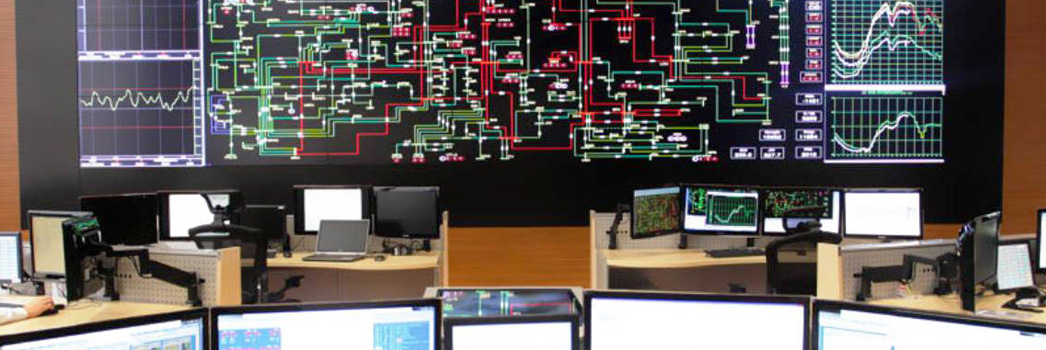
SAGE is the most widely used management, control, supervision,
and real-time simulation platform for electrical systems in
Brazil, with more than 2,000 licensed installations. It is
applied in the operation of the electrical networks of the
largest companies in the sector and of the entire national
network, through the ONS (REGER system) control centers. The
platform, in its EMS version, adds typical features of an energy
management system, such as real-time network analysis, automatic
generation and voltage control and synchrophasorial data
processing, as well as including tools for decision support,
such as Operator Power Flow, Contingence Analysis and Optimal
Power Flow, among others. SAGE also has the ability to generate
scenarios for simulations and studies, aiming at the training of
operators through the TOPSIM system, which accurately replicates
the operating environment in real time.
In 2022, the products SAGE-SCADA, SAGE-EMS and SAGE-PDC
continued to conquer new user companies, with emphasis on the
completion of the implementation of the CEMIG-GT Control Center,
hundreds of new system facilities in plants, substations, and
centers, as well as new users in Latin America.
SINAPE
The system for the collection, management, and analysis of
digital oscillographs was designed to increase the agility of
the process of analysis of disturbances, by employing algorithms
to automatically analyze disturbances and the location of
faults, as per the specificities of each electric power company.
Its online version, SINAPE.net, shows its results through modern
graphical interfaces, designed to meet the needs of each type of
user. SINAPE is applicable to the transmission, generation, and
distribution of energy, being used by large companies and
entities in the sector in Brazil, especially the companies of
the Eletrobras group and ONS, which concentrates the analysis of
the main occurrences throughout the Brazilian power grid.
TOPSIM
This simulation platform for operator studies and training is
integrated with SAGE and is similar to a flight simulator,
reproducing complex operating situations for the effective
training of electrical system operators. The simulation is based
on the ANAREDE and SAGE systems, developed by Cepel, which
ensures full compatibility with the most used tools in Brazil
for the analysis of electrical networks. Currently, TOPSIM is
the platform used by the ONS for the training of its operators
and for the execution of training between companies, in joint
simulation sessions. Large transmission companies also use
TOPSIM, such as Eletrobras Chesf, IsaCTEEP and CEMIG-GT.
ASSET MANAGEMENT
Asset management is an essential activity for companies, since
it increases the availability and reliability of their
equipment, and at the same time reduces costs. Over more than
40 years working in this area, Cepel has developed a portfolio
of products already consolidated in the Brazilian electricity
sector. The solutions incorporate Industry 4.0 technologies
and bring agility and effectiveness to the monitoring,
diagnosis and maintenance of equipment throughout its useful
life cycle.
CAMPEM
The CAMPEM system is intended to quantify electromagnetic fields
and inductions around high-voltage electrical installations
through computer simulations and field measurements. Its models
and computing tools range from transmission lines and
substations to specific equipment, allowing its application in
projects, studies, fault diagnostics, expert analysis and in the
adequacy of electrical installations to legal and regulatory
requirements. Through CAMPEM, Cepel provides technical support
to companies, acts in the elaboration of technical standards, in
the provision of consulting services with sectorial entities
such as Aneel, and also participates in the Electromagnetic
Fields Project, conducted by the World Health Organization
(WHO), which deals with human exposure to high electromagnetic
fields.
DianE
A system for managing the maintenance of transmission and
generation equipment parks, DianE correlates the history of
field trials and online monitoring, integrating analysis and
diagnostic techniques to produce standardized indicators of
equipment reliability for the entire company. DianE can be
integrated with the SAP-PM system, facilitating the management
of assets and their associated maintenance tasks, as well as SAP
Analytics Cloud, providing dashboards for monitoring the
condition in the corporate environment.
In 2022, Cepel developed a module for analyzing thermographic
tests in substations integrated with DianE. The technology
allows, through thermograms, to identify hot spots and indicate
the need or not for maintenance interventions in the
substations. This new module was implemented at Eletronorte and
further increased the productivity of thermographic inspection
tasks in the company, providing greater ease and assertiveness
in data analysis and minimizing human errors from the automation
of the entire process.
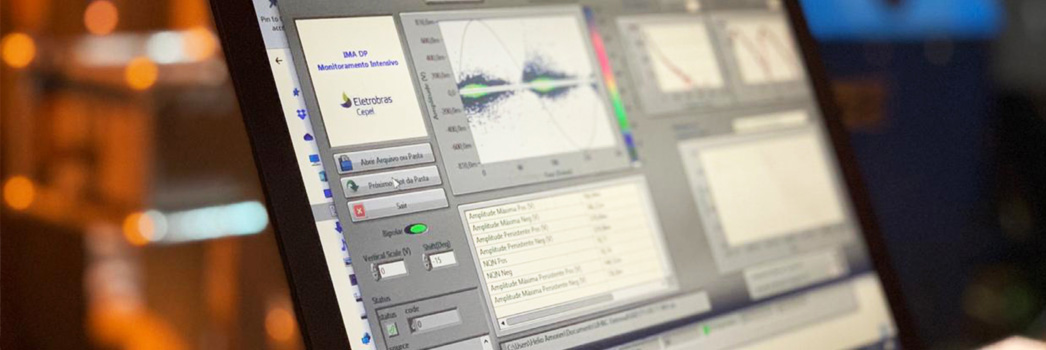
IMA-DP
Another tool launched in 2022 is the new software version of
the IMA-DP high-voltage electrical insulation condition
monitoring system, which incorporates sophisticated
Artificial Intelligence tools for the separation of noise
signals and identification of different defects, from a
technology for analyzing the shape of pulses, called pulse
shape analysis. In this way, the partial discharge
measurement system has become much more powerful for
diagnosing different types of defects in electrical
insulating systems, with different severities, in high
voltage equipment, also increasing the applicability and
assertiveness of the diagnosis.
SOMA
Soma is the Cepel platform responsible for monitoring the
condition of assets, mainly applied in the monitoring of
generators. The system, through the early detection of failure
modes, directly contributes to increasing the availability of
assets, the reliability of the system and the sustainability of
the companies’ business. Increased reliability also has broad
social benefits, thus increasing the quality of energy supply
and reducing costs.
With emphasis on the use in the Itaipu plant, in 2022 the
program was implemented in two more plants in Furnas (Simplício
HPP and Furnas HPP), in addition to having started its
installation in the two thermonuclear plants of Eletronuclear.
In Furnas, the goal of creating a central to monitor the
condition of the generators was also established. At Petrobras,
the project to implement, from SOMA, a turbogenerator monitoring
center for all the company’s thermoelectric plants was
initiated.
SOMA - TURBODIAG
The Cepel Soma-Turbodiag product unites the knowledge developed
by the Center’s researchers over more than 20 years of
experience, both for its work in the area of structural
integrity assessment, monitoring, diagnosis and prognosis of
remaining life in thermoelectric plants and for the development
of monitoring and diagnostic software such as, for example,
Soma—Asset Monitoring Oriented System.
Given the novelty of the calculation methods developed to
predict the remaining useful life of critical components of
electric generation turbines and the strategic importance of
this product for Cepel, a patent application was registered with
the National Institute of Industrial Property (INPI).
The approval of the patent of these methods was published in the
Journal of Industrial Property (RPI) No. 2701 of October 11,
2022.
The methods patented by Cepel were developed to estimate the
total damage accumulated by creep and fatigue and to estimate
the remaining useful life of critical components of
thermoelectric power plant turbines, such as the high-pressure
rotor of a steam turbine. These methods were completed by
researchers from Cepel’s metallography laboratory, as a product
of an R&D project of the Cepel Institute Project Portfolio for
Eletrobras, and a module based on these methods was incorporated
into SOMA, resulting in the Cepel Soma-Turbodiag product.
LIFETIME PROJECT
In the scope of the GAMMA project, Cepel developed a methodology
in partnership with the Transmission Board of Eletrobras for
calculating the useful life of the Transmission Equipment. This
project, applied mainly in power transformers, determines the
propitious moment, from the economic point of view, for
replacing these assets in the system.
The initiative is of great importance for Eletrobras and for the
electricity sector, given the immense amount of assets in the
Brazilian electricity system that have already exceeded their
regulatory useful life. In this context, the useful life project
has developed a robust and consistent methodology to calculate
the appropriate time for replacing these assets and prioritizing
replacements.
ENERGY OPTIMIZATION
The electro-energy matrix of Brazil is unique in the world:
diversified, mostly renewable and with complementarity between
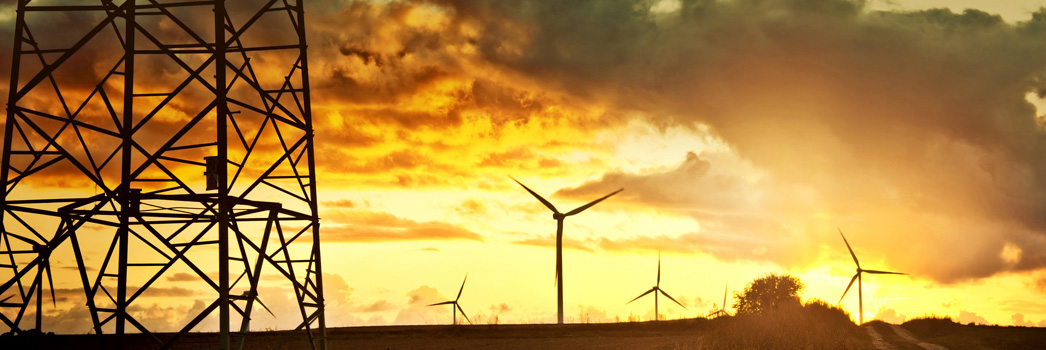
the regions of the country. In this context, Cepel develops an
integrated chain of methodologies and computer programs
related to energy optimization, water resources, the
environment and energy trading, which explores the
specificities of this system, dealing with the uncertainties
inherent to renewable sources and allowing optimized planning
and operation on a sustainable basis.
DECOMP
The computing platform allows the hydrothermal dispatch in a
horizon of up to 1 year, with individualized representation of
the hydroelectric plants and consideration of the joint
uncertainty of inflows and wind generation from the second
month. It operates in an integrated manner with the NEWAVE,
DESSEM and GEVAZP models in the processes of operation planning
and energy price formation, carried out by the ONS and CCEE. In
the year 2022, generic electrical constraints were incorporated
into the model, which are provided through usercustomized
expressions, as well as an improvement in the accuracy of the
convergence process of the Dual Dynamic Programming strategy
employed in the model.
DESSEM
The computing platform allows the calculation of the price of
energy on an hourly basis and the daily schedule of the
operation, including dispatch order of the plants, a support for
the titling of the thermoelectric plants and compensation of
agents. It fully works with DECOMP and the Newave software
developed by Cepel, being used since 2000 for operation planning
and pricing in the National Interconnected System (NIS).
DESSEM has been officially used since 2020 by the National
Electric System Operator – ONS for programming the operation and
since 2021 by the Electricity Trading Chamber – CCEE for
calculating hourly price of settlement of differences. The use
of the model ensures greater adherence between price and
operation and more safety from an electrical and energy point of
view. In 2022, the feature of the hydraulic unit commitment,
requested by CPAMP, was incorporated into the DESSEM model,
which allows an even greater detailing of the representation of
hydroelectric plants in the model, by explicitly modeling
restrictions associated with the activation and shutdown of each
generating unit.
LIBS
The Libs environment is being developed by Cepel to standardize
the procedures of encoding, reading data, printing output files
and graphical interfaces of the models, respecting their traits.
A web page was created to facilitate and expand access to the
methodological and functional content of the models, officially
used by sectorial institutions and by more than a hundred
companies, in order to improve the planning of expansion and
operation and pricing.
It is a computing environment that facilitates integrated
studies with the chain of models for energy planning in relation
to data integration and analysis of results, and also makes it
possible to reduce the response time in the development of new
features. Cepel is already reaping the important benefits that
Libs brings to the processes of reviewing, updating, and
processing these mathematical models. One of these benefits is
the feature of producibility and variable losses of the
production function of hydroelectric plants. This feature was
implemented in the DECOMP model through Libs, and was later
incorporated into the DESSEM model in 2022.
GEVAZP
It is a model of joint generation of inflow scenarios to
hydroelectric plants and wind generation, for the NEWAVE, DECOMP
and SUISHI models. It employs advanced techniques of Statistics
and Time Series, applying rigorous criteria for accuracy in the
representation of the probability distribution of these
variables, implementing the technique of periodic autoregressive
models (par(P)) combined with the use of log-normal distribution
for the components associated with inflows and Weibull for the
components associated with wind generation. In 2022, factors per
level were incorporated for the aeolian generation, introduced
in the NEWAVE and DECOMP models.
SUISHI
It is a simulation model of the operation of interconnected
hydrothermal systems that employs as solution techniques the use
of linear programming associated with the application of
operational heuristic rules, which aim to emulate the operator’s
decision regarding the dispatch of hydroelectric plants. It can
work coupled to NEWAVE and GEVAZP models. It also allows the
simulation of the operation of purely hydroelectric systems for
calculating the Firm Energies of its plants. In 2022, the SUISHI
model was perfected to simulate the operation of hydrothermal
systems considering an operation policy (Future Cost Function),
built for individualized plants, in addition to having undergone
improvements in the calculation of the fall height of the plants
located in the Paraíba do Sul River basin.
NEWAVE
NEWAVE is a strategic model used to calculate the operational
policy of interconnected hydrothermal systems, employing
advanced stochastic optimization techniques and statistical
modeling for uncertainties related to affluent flows to
hydroelectric plants.
The product is officially used by the institutions of the
electric sector in the main processes associated with energy
planning, involving the evaluation of the Ten- Year Expansion
Plans and calculation of the physical guarantee of the
hydroelectric plants by the Energy Research Company (EPE), the
Energy Planning of the system and the calculation of the Monthly
Operation Program by the National Electric System Operator
(ONS), in addition to the Price of Settlement of Differences by
the Chamber of Electricity Trading (PLD), together with the
DECOMP and DESSEM models.
NEWAVE is still the main tool already created for price
prospecting by Eletrobras companies and agents of the Brazilian
electricity sector. In 2022, the Center will offer new versions
of the models, improving the modeling of wind generation in an
explicit way, as a dispatchable resource, and representing the
uncertainty and variability in the generation of this source,
together with the uncertainty in the affluent flows, through
scenarios generated by the GEVAZP model. Aside from that,
versions were made available with the individualized modeling of
the hydroelectric plants (up to 12 months ahead) and
incorporating a series of additional hydraulic constraints.
Improvements were also introduced in the performance of the
model, in order to maintain the computing time at the levels
desired by the processes carried out by the institutions that
use the model.
The current version of the model aims to meet one of the
requests of CPAMP – Permanent Commission for the Analysis of
Methodologies and Computational Programs of the Electric Sector,
since the representation of the uncertainty of wind power plants
and the individualized modeling of hydroelectric plants are
priority activities and are being validated in the current cycle
of the working group GTMethodology of CPAMP.
STRATEGIC BUSINESS PLANNING AND ENERGY TRADING
In the corporate world, one of the challenges that arise
is the allocation of financial resources in an appropriate
way, which seeks to maximize the return on invested
capital. Therefore, it is of paramount importance to
understand the directions that are being followed by the
sector, in such a way that it is possible to anticipate
opportunities and challenges, enabling a prior preparation
by companies. This enables the establishment of an
expansion plan aligned with the company’s vision and
objectives. One of the next steps is the evaluation of the
economic viability of the planned investments and the
definition of commercial strategies for the product, in
this case, the commercialization of electric energy. The
MELP, ANAFIN and the ECOMERC (PLDPRO, MOP, SAZOP) models,
developed by CEPEL, fit into this context.
MELP
The MELP model is a computing system developed for the
definition of expansion plans of minimum investment and
operation cost for the electricity sector and coupled
natural gas sector, considering the individualized
investment in generation technologies (hydroelectric,
thermoelectric and renewable plants), interconnections and
components of the natural gas system (gas pipelines,
regasification and processing units), in the medium and long
term. It applies in its solution methodology the
state-of-the-art in large combinatorial optimization, based
on decomposition in mixed integer programming and
distributed computing, being able to define optimal
expansion strategies on various types of uncertainties,
including those related to costs and demands and associated
with the availability of renewable generation. This model
has integration with the NEWAVE model to evaluate the
criteria for guaranteeing supply and can be used to derive,
in addition to future expansion scenarios, scenarios of
marginal costs of operation, which can contribute to the
area of energy trading. The MELP can also serve as an
investment portfolio optimization tool, as it defines
diversified portfolios of minimum cost and maximum return,
according to the participation desired by the energy company
in the expansion plan.
ANAFIN
The ANAFIN is a model for analyzing the economic viability
and risk of G&T projects. It is coupled to the NEWAVE and
SUISHI models, enabling the use of different price and
generation scenarios for the study plant, regardless of the
technology evaluated. In its analyses, ANAFIN considers all
aspects related to the regulatory framework in force in the
Brazilian electricity sector, such as tax and commercial
aspects. In 2022, the possibility of evaluating hybrid
projects, which consider more than one generation
technology, as well as hydrogen production projects, was
incorporated into the model. The construction of cash flows
on an hourly basis and the joint analysis of cash flows of a
portfolio of projects was also enabled.
MOP
In the search for the best trading strategy, one of the
greatest challenges for companies is to minimize the risk of
exposure to the short-term market, given the volatility of
the Settlement Price of Differences. In this sense, the MOP
model is being developed that maximizes the return on the
portfolio of energy purchase and sale contracts, while
minimizing the associated risk.
PLDPro
PLDPro is a platform for conducting studies to prospect
the price of energy in the short-term market (Price of
Settlement of Differences), which has been developed in
a participatory manner with the Eletrobras companies.
The program chains and manages all the models involved
in the price generation and generates consolidated
results in spreadsheets for statistical treatment. It
has an interface for internet and allows remote
execution of models. In 2022, the first stable version
of ECOMERC’s SazOpt module was made available, which was
used for the seasonalization of the physical guarantee
of several HPPs in Furnas, Eletronorte and Chesf, being
also the first containerized version of ECOMERC. The
highlights were the inclusion of new feature for
elaborating load scenarios, with automatic adjustment of
the files and conversion of the data between the NEWAVE
and DECOMP models and the availability of the SazOpt
module, for the seasonalization of the physical
guarantee of HPPs for MRE purposes.
ENERGY EFFICIENCY
BDMotor
Used as an energy diagnostic system and to support
energy efficiency projects involving three-phase
induction motors, BDMotor aggregates a database of
motors from various manufacturers, charging analysis
tools and motor efficiency calculation, as well as
tools for analyzing the return on investments in
efficient solutions. Created in the 2000s, the system
is indicated by Aneel for energy efficiency projects
in the industry, providing savings for the sector.
RENEWABLES AND SUSTAINABILITY
The Brazilian electro-energy matrix stands out for being one
of the most diversified and renewable worldwide, which has
been reinforced by the increase of sources such as wind and
solar. At Cepel, products are developed focused on the main
challenges of these new technologies, always seeking
sustainable development and minimization of negative
socioeconomic and environmental impacts.
IGS
As a system of indicators for managing corporate sustainability,
the IGS was developed to be a tool for storing, editing,
treating, consulting, and managing issues related to
sustainability indicators, in order to support all companies of
the Eletrobras System in this area. The platform allows the
collection and analysis of data on the environment,
sustainability, business performance, R&D+I, Governance, Risk
and Compliance (GRC), assisting in the monitoring of goals and
decision-making processes. The computed data also help in
meeting the demands of investors, either in the answers to the
questionnaires of the sustainability indexes of the stock
exchanges (ISE/B3 and Dow Jones Sustainability Index) by the
Eletrobras companies or in other reports directed to these
stakeholders.
For the year 2022, Cepel, which also uses the system to collect
indicators for preparing its annual report, chose to update its
IGS Report system, in alignment with the new methodology of the
Global Reporting Initiative (GRI) 2021.
Emisfera
Emisfera calculates greenhouse gas (GHG) emissions for the
purpose of preparing corporate GHG inventories and GRI
indicators related to the topic. Currently, the computing tool
is being incorporated into the structure of the Analytical IGS,
which uses operational research methods for building and
analyzing historical series of IGS System indicators, in
addition to performing validation, analysis and future
projections. The new version of Emisfera in IGS Analítica has a
user-friendly interface, dashboards, and executive output
reports, aiming to meet the needs of customers in terms of
reporting and publishing emissions results and energy
indicators.
SINV
The SINV system aims to assist the preparation of the
Hydroelectric Inventory Studies of Watersheds, one of the
strategic studies of the Generation Expansion Planning. The SINV
allows to carry out, in an uncomplicated manner,
economic-energetic, socio-environmental studies and comparison
of the alternatives of division of falls of use of the
hydroelectric potential of the basin, aiming at the selection of
the best alternative, taking into account the scenario of
multiple uses of water. The system follows the methodologies and
criteria described in the Manual of Hydroelectric Inventory of
Watersheds (MME, 2007), and was developed in order to allow its
application in any watershed in Brazil or worldwide. Related to
this theme, studies on the implications and obstacles of the
consideration of reversible hydroelectric power plants (UHR)
will be developed in 2022, since it is planned to include this
technology in the Inventory Studies.
LCOH Calculator
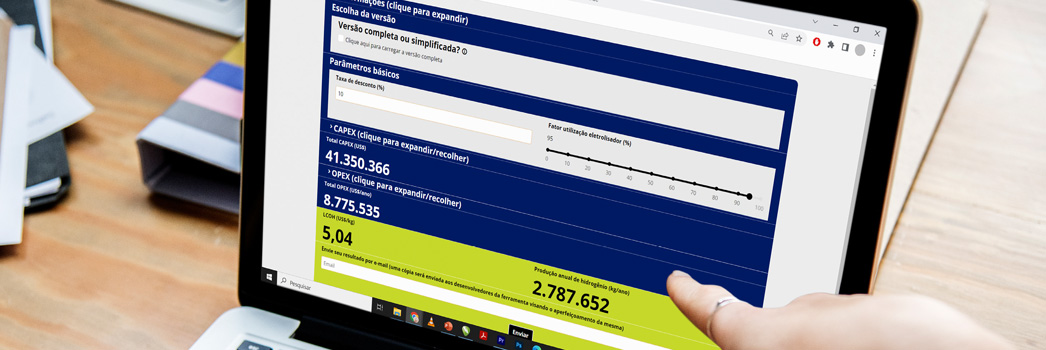
Useful for the area of hydrogen technologies, the LCOH
Calculator provides the Levelized Cost of Hydrogen. With a
friendly and interactive interface, the tool makes the LCOH
result immediately available on the cell phone or computer
screen, and can be accessed via the web, free of charge, on the
Cepel website. Using international parameters to perform
preliminary economic feasibility analyses of green hydrogen
plants, it allows the comparison of the production cost of the
latter with the cost of hydrogen produced on the basis of other
energy resources, such as natural gas.
Wind O&M App
The analysis of the health of turbines, wind farms and complexes
require a lot of effort, technical capacity and processing of a
lot of data, most of the time, not centralized and difficult to
consult. The Wind O&M App, developed by Cepel, is a solution to
such obstacles. Wind O&M performs the post-processing of SCADA
data of wind farms, with evaluation of the real power curve
(CPR), alarms and downtime of the systems and subsystems in the
wind turbines and KPI’s to evaluate the performance of the farm.
In more detail, the tool presents analyses of managerial
relevance such as production forecast and evaluation, capacity
factor, efficiency and actual power curve, IEC 61400-26
operational and energy availability, constrained-off impact and
calculation basis for the N297/2021 Art. 4 normative resolution,
of operational relevance such as structured historical database,
reports for audit and partners, research of accidents and
failures, physical integrity and progression of the wind regime
and relevance to maintenance management such as statistical
models for the occurrence of alarms and failures, downtime
analysis and identification of abnormalities, in addition to
allowing users to perform their own inspections.
The version of the tool developed in the year 2022 has a
pleasant and intuitive interface, built with Web technology, and
the processing speed of the Julia language, so that the user
makes complex analyses with a few clicks and focuses only on the
interpretation of the results. The Wind O&M App is available in
both web and desktop versions with the guarantee that user data
is always in the user’s possession.
CALC-P90e
The entire process of contracting the purchase and sale of
electricity produced with wind power requires a specific
calculation: the estimation of P90 energy production based on
the identification and quantification of the uncertainties
involved in the process of calculating this production.
As the values of the uncertainties are reported by certifiers
specialized in the sector, the classification and methodology of
this calculation are not explicit and, for a long period, only a
number was provided. In order to make the procedure for
calculating the uncertainties involved in estimating the energy
production of a wind farm more transparent, Cepel has developed
a fully traceable methodology that contributes to a better
assessment of the uncertainties and risks of the investment in
question. The new method also meets EPE’s latest requirements
for enabling wind projects. In 2022, Cepel finalized an
easy-to-use web application for calculating the P90 that aims to
streamline the calculation of the P90, making an evaluation of
the project, its most likely energy production, its inherent
uncertainties, as well as sensitivity analyses accessible.
AMBIENTRANS
AMBIENTRANS uses Geoprocessing and Geographic Information System
techniques, coupled to ArcGIS software, in order to define a
region or a corridor where the potential socio-environmental
impacts of the installation of linear projects are minimized, as
per previously defined criteria.
In 2022, the development of a transmission line layout
evaluation module considering socio-environmental aspects began.
This module incorporates criteria for the evaluation of
socio-environmental criticality considering indicators related
to the biotic and socioeconomic environment and is premised on
accounting for the interference of the proposed layout with
spatial features that represent a high potential for impact. The
tool is interesting from the point of view of planning and for
evaluating socio-environmental risks related to the lots offered
in the transmission auctions.
TESTS – FIELD EVALUATION
SMARTe
Developed on an experimental bench in Cepel’s highvoltage
laboratory facilities, the Electromagnetic Transients Monitoring
and Remote Analysis System (SMARTe) is capable of measuring,
recording, and performing a prior analysis of the disturbances
in the network, without interrupting the operation. Thus, it is
possible to obtain information about the transient requests that
the equipment undergoes during its operation, contributing to
management actions on the assets and investigations on causes of
failures. In 2022, a prototype of SMARTe was successfully
installed, commissioned, and operated at the 800 kV substation
of Itaberá, belonging to Furnas, one of the founding partners
and maintainers of the Center. The solution was adopted by
Furnas to support a failure analysis study based on the
monitoring of transient signals at certain points of the
substation.
SCAN
Frequency Domain Characterization and Analysis System to
identify physical changes in high voltage electrical equipment.
The great contribution of this system is to be composed of
hardware and software that are easy to maintain, interchangeable
with other technologies and low cost in relation to the market
average. The analyses performed with SCAN and SMARTe are
important to monitor the operational performance of equipment
and installations of the Brazilian electrical system, reducing
the possibility of failures that cause damage to people and/or
other equipment and facilities, as well as interruption of the
power supply. In December 2022, SCAN was one of the techniques
used by Cepel to assist in the diagnosis of the static isolation
of the generator of the Angra 2 Nuclear Power Plant. The
application of this technique in synchronous generator rotors is
emerging, with few applications and publications in the world.
Fidcorr
It is a computing tool for automating the diagnosis of corrosion
in foundations of transmission line towers, without the need for
excavation or shutdown of the line, avoiding interruption in the
energy supply and contributing to systematize and reduce the
costs of the inspection process of these foundations. Combining
an electrochemical foundation technique with a computer program,
Fidcorr optimizes the maintenance of the transmission towers to
check and evaluate the progress of the corrosive process in
these structures. In this way, the solution has the potential
not only to increase the average productivity in terms of towers
inspected per day (from three to 12 towers each day), but also
in relation to towers inspected per day per employee, reducing
the average size of the required staff from six to three
professionals.
FIELD BULKHEADS
Aiming at the safety of live line maintenance teams, Cepel
researchers have developed a new safety device, the “Field
Bulkheads”. The device significantly reduces the electric field
to which workers are exposed in this type of service. Its
efficiency was validated through trials at Cepel’s High Voltage
laboratory, and field tests, supported by Furnas, were completed
in November 2022. Field Bulkheads are efficient, easy to install
and use, have low production cost, and require little
maintenance. Currently, the patent is being applied for with the
INPI and there are already companies interested in producing and
marketing the product.
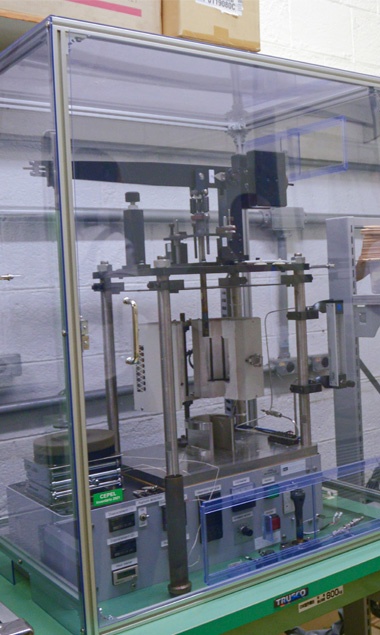
Laboratory infrastructure and its achievements in 2022
Cepel has a multidisciplinary laboratory infrastructure,
maintained in the state of the art since its beginning of
operation in the late 1970s, through which it conducts
experimental research and technological services, meeting more
complex demands for projects, tests, measurements, and technical
expertise, including field work, for the Brazilian and foreign
electricity sector.
With its laboratories and highly specialized team, Cepel
operates on topics such as: energy efficiency; materials;
mechanics; mechatronics; high power; high, extra, and ultra-high
voltage and smart grids. In energy efficiency, CEPEL’s
laboratories operate in the areas of refrigeration, motors,
distribution transformers, lighting, washing machine and
photovoltaic modules. In materials and mechatronics, the areas
of activity of the laboratories are metallography, chemistry,
corrosion, mechanical properties, dynamics of structures,
robotics, and intelligent sensors. In the high-power laboratory,
the performance is focused on the evaluation of electrical and
thermomechanical performance of power equipment (transformers,
circuit breakers, disconnectors, panels etc.), under normal and
extreme conditions.
The Smart Grids Laboratory, in turn, acts by evaluating
requirements of Distributed Energy Resources (photovoltaic,
wind, storage, electric vehicles and new Smart technologies) and
in tests in renewable generation plants. The high, extra, and
ultra-high voltage laboratories, with capacity for levels of up
to 1300 kVca and ± 1000 kVdc, act in dielectric performance
evaluation of configurations of transmission lines and equipment
that are part of lines and substations, in dry conditions, under
rain and under pollution. It also conducts investigations into
the cause of equipment failures and calibration of voltage and
electric current measurement systems used in high voltage and
power laboratories.
In 2022, CEPEL’s Energy Efficiency Laboratory (LabEE) received
investments, through the Resource Application Plan of the
National Program for the Conservation of Electricity (PAR –
Procel), for a new set of laboratory facilities for energy
efficiency tests in commercial and industrial refrigerators, at
the Adrianópolis unit (Nova Iguaçu – RJ). These facilities were
completed in 2022 and are scheduled to open in mid-2023. With
these facilities, Cepel now has unique conditions in the country
to test refrigerators and air conditioners of greater power and,
therefore, will play a key role in activities under the
Brazilian Labeling Program (PBE), which classifies the
electrical equipment sold in Brazil in terms of energy
efficiency.
LabEE acts in the evaluation of energy performance, electrical
characteristics, electromagnetic compatibility and electrical
safety in various products, such as lamps, luminaires, air
conditioners, refrigerators, washing machines, photovoltaic
modules, motors and transformers. In 2022, the photovoltaic
module testing area completed the accreditation process by
Cgcre/Inmetro and conducted characterization tests of about 420
modules for Petrobras.
With its laboratories and highly specialized team, Cepel
operates in topics such as energy efficiency, materials,
mechanics, mechatronics, high power, high, extra, and
ultra-high voltage, and smart grids.
At the end of 2022, the institution also began a process of
modernization of its High-Power Laboratory (LabAP), located in
the Adrianópolis unit. With this modernization, the operation of
the laboratory will become more efficient, with a higher level
of automation and new spaces and features in the facilities,
bringing benefits in terms of reliability, safety, and comfort
to all customers of the unit.
Throughout 2022, LabAP conducted important tests to ensure the
reliability of the Brazilian electrical system and for the
development of the national electrical equipment industry. These
tests were carried out on sectioning switches, shielded buses,
power and grounding transformers, on-load switches,
short-circuit limiters, panels, three-phase reactors and
cubicles for several customers such as Siemens, Weg, Romagnole,
Comtrafo, ITB, Adelco, JOW, TCEL, Hubbell, Polux and PressMat.
The new Smart Grids Laboratory (LabSG), inaugurated in December
2021 at the Adrianópolis Unit, began its operation in 2022. In
this laboratory, experimental tests and research were carried
out on power inverters using the Hardware-in-the-loop (HIL) and
Power Hardwarein- the-loop (PHIL) benches, in which it is
possible to verify the performance of equipment in conditions
representative of those existing in the field, in addition to
the conformity assessment of Distributed Energy Resources (RED),
such as distributed generation, distributed storage, pluggable
electric vehicles, demand-side management, among others.
This laboratory also began in 2022 an important action under an
agreement signed between Eletrobras and the company EnerTech,
conducting tests and performance evaluation in a container that
will serve as a source of photovoltaic energy, for application
purposes in a decarbonization program in the Amazon. LabSG also
met Chesf’s demands for tests on photovoltaic inverters and
conducted Experimental Research to support the activities of the
R&D HBESS project of the SE of Messias.
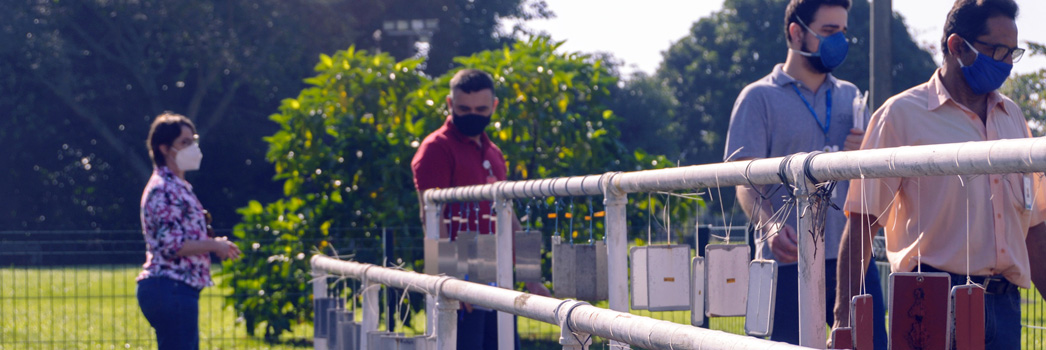
One of the highlights of the last year in the area of corrosion,
of the Laboratory of Materials and Mechanical Properties
(LabMM), were pioneering technological services in the solar and
wind energy market, with the objective of classifying
atmospheric aggressiveness, according to standardized criteria,
seeking to define testing procedures in the field and in the
laboratory. The results of these services generate savings and
reliability both in projects already in operation and those
still in the design phase.
The various areas of the Materials and Mechatronics Laboratories
also had important actions in 2022 to meet the demands of
Cepel’s associates, such as Furnas
– Failure analysis in high voltage line anchor clamp,
Performance evaluation of connectors for transmission line
stands, Analysis of insulating oils, Evaluation of corrosive
process in insulator hardware, Performance evaluation of
anticorrosive coatings and Conformity analysis of tooling for
760 kV live line maintenance;
Chesf - Failure analysis in shear pin of the Paulo Afonso
HPP; Eletronorte – Inspection of the pressure vessels and
pipes of the Samuel HPP and Integrity Evaluation of transformer
handling rails of SE Porto Velho; CGT Eletrosul –
Integrity evaluation of unit C of the Candiota Thermoelectric
Power Plant; Electronuclear – Investigation of the cause
of the chemical decomposition of Hydrazine, Failure analysis of
generator ring and coupling of the emergency generator shaft,
Analysis of insulating oils, Inspection and characterization of
coatings exposed in marine environment and Evaluation of paint
schemes; Itaipu – Evaluation of corrosion process under
signaling spheres; and Petrobras – Beginning of research
projects 1) “Agile technologies for predictive maintenance of
lubricating oil in large machines,” with an expected duration of
36 months, 2) “Support for Evaluating Flexibility in
Thermoelectric Plants”, with a duration of 18 months and 3)
“integrity Evaluation of Boilers and Pipes in Thermoelectric
Plants by Monitoring and Mathematical Modeling,” with a duration
of 36 months.
CEPEL’s High, Extra and Ultra-High Voltage Laboratories were
also used in important activities for the Brazilian
electricity sector. Tests for the purpose of development and
homologation of electrical power equipment were carried out
in dozens of current transformers class 550 kV, in polymeric
insulators class 500 kV, hardware and chains of glass
insulators class 500 kV, 100 high voltage connectors, about
10 trucks used in maintenance of energized equipment,
disconnecting switches, in addition to unprecedented tests
in Brazil on wind turbine blade. Calibrations of
high-voltage measurement systems and measurements of
maneuver transients in the field were also performed. In the
Ultra-High Voltage Laboratory (LabUAT) the preparation of
the test arrangement for the R&D project on transmission in
UAT alternating current in Brazil was finalized, with a
record of alternating current voltage generation in the
laboratory in the country, of 1300 kV. The main customers
served by CEPEL’s laboratories with these tests and services
were Siemens, Sadel, Isoelectric, Maxxweld, Grid Solution,
Weg, Bauteau, SGBH, Enel Green Power, LM Wind Power and
Furnas.
It is important to highlight the continuity of technical
expertise work to investigate the root cause of equipment
failures, as well as testing of materials and components
used in transmission, generation, and distribution systems
nationwide. In these activities, solutions developed and
validated in Cepel’s laboratories are applied.
It is important to highlight the continuity of the work of
technical expertise to investigate the root cause of equipment
failures, as well as tests on materials and components used in
transmission, generation and distribution systems throughout the
country. In these activities, solutions developed and validated
in CEPEL’s laboratories are applied to perform measurements of
voltage transients and investigations on equipment failures in
the field. Such actions require the multidisciplinarity that the
Center has, resulting from the experience and knowledge of its
qualified technical staff and its diversified laboratory
infrastructure.
To improve and maintain excellence in its laboratory
performance, Cepel has implemented a quality management system
that operates through an area dedicated to this activity and
with internal and external auditors. Throughout 2022, seven
internal audits and one client audit were carried out in the
laboratories, with four internal critical analysis meetings to
address any nonconformities. In these audits, CEPEL’s
laboratories are evaluated as per ABNT NBR ISO/IEC 17025:2017 –
General requirements for the competence of testing and
calibration laboratories.
After a suspension due to the pandemic, visits to laboratory
facilities resumed in 2022, both for teams of technicians and
managers of companies and groups of students. Following the
safety protocols, more than 300 visitors got to know the
laboratory structures and the work developed by Cepel.
Among the visits, it is worth mentioning that of the board of
directors of LACTEC, representatives of Copel, directors of
SENAI CIMATEC and executives of Adelat (Association of
Electricity Distributors of Latin America). In addition, there
was a visit by leaders of the Brazilian Mint, seeking technical
support for the Solar Currency program, energy efficiency, and
diplomats from Japan, who analyzed ongoing international
cooperation projects and possible new partnerships.
Highlights and Awards
International Electrical Power and Energy Systems Journal
(IJEPES)
With an eye on the future, one of the main fronts of action of
the Center has been its technical contribution and scientific
production. In 2022, CEPEL’s methodology for identifying
responsibilities for harmonic distortions was published in the
renowned scientific journal
International Journal of Electrical Power and Energy
Systems (IJEPES), and the methodology for improving the representation of the
hydroelectric production function in energy optimization models
was published in the international scientific Electric Power
Systems Research (EPSR) journal
Electric Power Systems Research (EPSR).
Cepel at SNPTEE
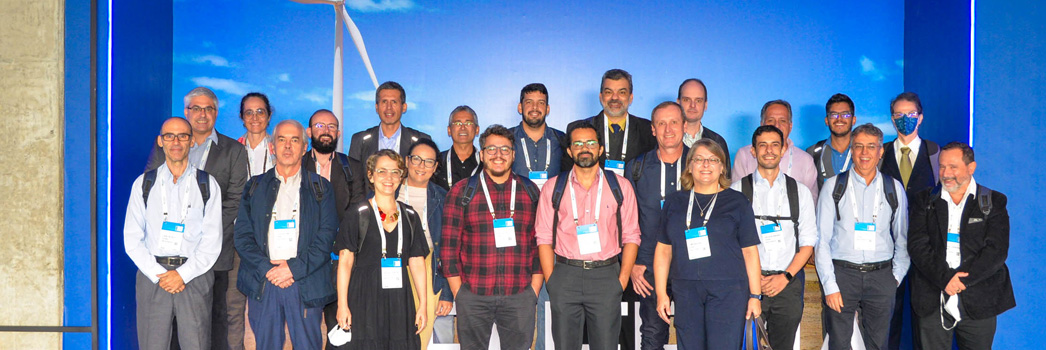
Cepel had a prominent participation in the XXVI National Seminar
on Production and Transmission of Electricity (SNPTEE), the
largest technical event in the Brazilian electricity sector. In
total, about 60 papers were presented in the technical sessions,
with 12 awarded projects, as well as representation in the
Technical Commission and in the tables of the Study Groups (GEs)
of the congress promoted by the Brazilian National Committee for
the Production and Transmission of Electricity (CIGRE-Brasil).
Articles published in the
International Journal of Climatology and the CIGRE
Biennial in Paris
An important area of activity of Cepel is the research on the
trends observed in recent years both in precipitation and in the
inflows to hydroelectric reservoirs. In this context, we
highlight the development of the MudClima project (Assessment
and Effect of Climate Change on Hydrometeorological Forecasts),
which resulted in two technical articles received and published
in the International Climatology Journal and the CIGRE
Biennial in Paris, both in September 2022.
Renewable Energy Certificate – Thymos Energia
In June 2022, the Adrianópolis Unit began contracting
electricity in the free contracting environment (ACL), known as
the “free energy market”, in which consumers can choose their
supplier.
In addition to the observed savings, aligned with the strategic
objective of seeking efficiency and rationalization of costs,
the initiative to migrate to the free market, obtaining energy
from renewable sources, generated recognition through
certification granted by Thymos Energia, due to CEPEL’s
contribution to the reduction of Greenhouse Gas (GHG) emissions.
In September, the company received the Renewable Energy
Certificate, associated with two of the UN’s Sustainable
Development Goals (SDGs): SDG 7 (Affordable and Clean Energy)
and SDG 13 (Climate Action), for having avoided the emission of
405.68 tCO2 for a year, equivalent to the planting of
more than 670 trees or the withdrawal from circulation of about
110 gasoline-powered cars, as per the methodology of the
Institute of Applied Economic Research (IPEA).
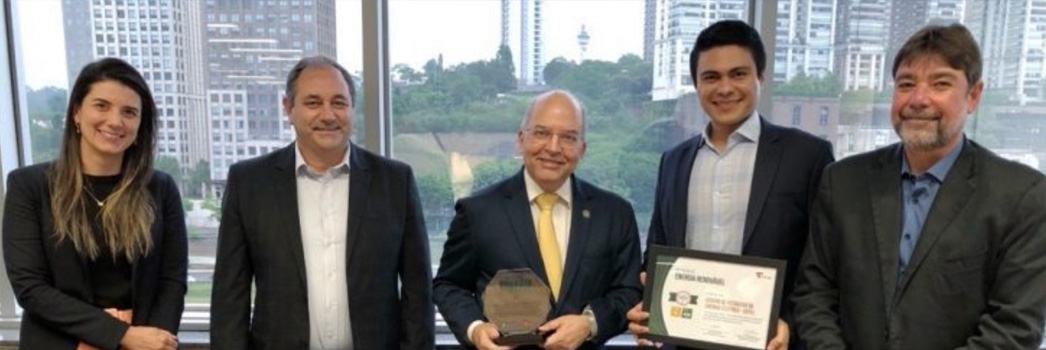
Company Friend of the Baixada Fluminense
Cepel was honored by the Association of Economic and Social
Development of Baixada Fluminense (ADESBF) for its 48 years and
received the “Empresa Amiga da Baixada Fluminense”
certification, due to the outstanding laboratory structure
installed in Adrianópolis. The unit is a relevant local
landmark, as it contributes to the development of Baixada
Fluminense as a whole.
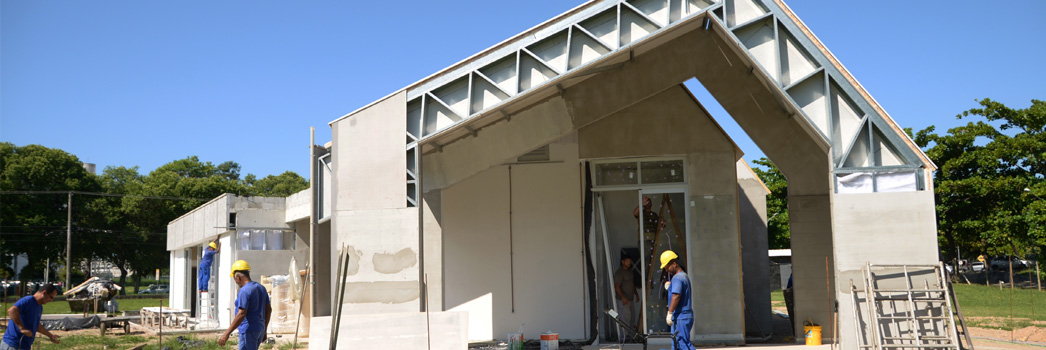
Casa Cepel Nzeb - Nearly Zero Energy Building
Ranked first in the Procel Edifica NZEB Brasil 2020 Public Call,
the energy efficiency project named Casa Cepel NZEB (Nearly Zero Energy Building), developed in partnership with the School of Architecture and
Urbanism of the Federal University of Rio de Janeiro (UFRJ),
construction works began in 2022.
The objective of the NZEB house is to demonstrate sustainable
applications in the building sector, proposing the reduction in
environmental impacts and in the demand for electricity, with
the use of energy efficiency technologies and renewable energy
generation to support its consumption.
3rd edition of the Eletrobras Anticorrosive Painting
Standard – NE-030
Last year, there was the launch of the 3rd edition of the
Eletrobras Anticorrosive Painting Standard NE- 030, which
establishes the qualitative and quantitative technical
requirements, verifiable in the laboratory, required in the
processes of qualification and receipt of epoxy paint free of
coal tar. Initially launched by Cepel in 2016, the Eletrobras
Anticorrosive Painting Standards are a milestone in the
Brazilian electrical sector, as they were the first regulations
to meet the demand for anticorrosive protection by painting.
Used by Eletrobras and paint service providers, such tools are
important for quality control in the efficient treatment against
corrosion.
Decarbonization in the Amazon
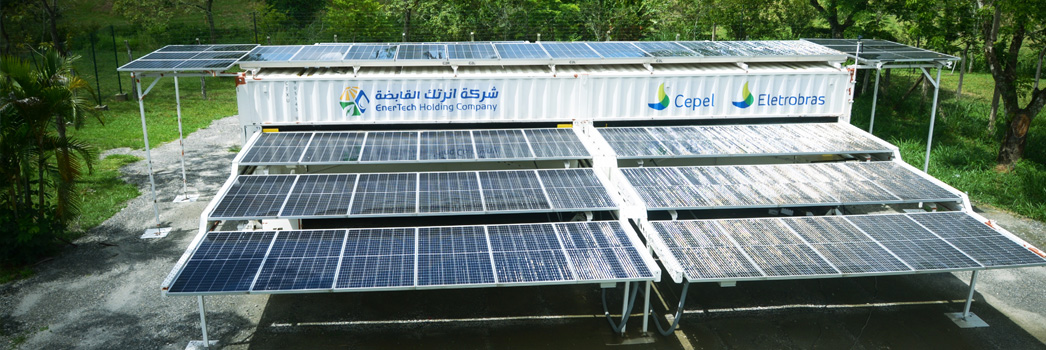
Cepel has signed an agreement with Eletrobras and EnerTech, a
developer and investor in clean energy supported by the Kuwaiti
government, to implement decarbonization solutions in the
Amazon. In a first implementation, the project consists of the
implementation of a proprietary modular solution consisting of a
container that incorporates solar panels, battery storage, local
control system and remote monitoring via the web, in an isolated
community of the Amazon region. Before the installation of the
container in the selected community, the system went through a
battery of tests carried out by Cepel’s Smart Grids Laboratory.
The initiative is aligned with the Pact for decarbonization of
the electric matrix of isolated systems in the Amazon, which
aims to replace diesel generation with clean, renewable, and
affordable energy. Cepel acts as the technical arm of Eletrobras
in the evaluation of existing solutions, such as the Enertech
Container System, and in new solutions that have potential
application in the Amazon decarbonization program.
Cepel technical standards: Triennial Plan of the National
Hydrogen Program (PNH2) standardization of inspection procedures
by NDT
Cepel, through the metallography laboratory team, coordinates a
project for Eletrobras with the objective of developing good
practice guides to standardize the inspection procedures by
Non-Destructive Testing (NDT) in assets of the power generation
plants of the national electricity sector. This project has the
collaboration of the companies Eletrobras and Eletronuclear and,
in 2022, three Cepel Technical Standards were completed,
approved by a Technical Commission formed by the companies
participating in the project, made available at the Cepel
portal:
NTC-101 – THICKNESS MEASUREMENT BY MANUAL ULTRASOUND;
NTC- 102 – DETECTED DISCONTINUITIES BY PENETRATING LIQUID
e
NTC-103 - DETECTION OF DISCONTINUITIES BY MAGNETIC
PARTICLES.
Expin48: Cepel supports innovation event at Cefet/RJ
Fostering and integrating the innovation ecosystem was the main
objective of CEPEL’s participation in Expin48, which offered
institutional support and appointed a researcher to be part of
the judging committee that evaluated the projects.
The event, promoted by Cefet/RJ, provided the exchange of
experiences in innovation projects to students of all levels of
its network—medium, technical, undergraduate, and graduate.
About 70 people (40 students and the rest mentors and support
teams) gathered at the Maracanã campus to present proposals for
innovative solutions in sustainable development.
Triennial Plan of the National Hydrogen Program (PNH2)
Cepel participated in the elaboration of the Triennial Work Plan
of the National Hydrogen Program (PNH2), recently made available
by the Ministry of Mines and Energy for public consultation. The
document is structured in five Thematic Chambers, each of them
focused on actions from 2023 to 2025.
The researchers and representatives of the Center participated
in the weekly meetings of the Thematic Chamber of Energy
Planning and also in a meeting of the Chamber of Market Openness
and Growth and Competitiveness.
Among the various topics addressed, the representatives of Cepel
emphasized, in their presentations, the contributions and
possible future developments within the scope of PNH2 related
mainly to the axes of Technology and Market. Technological
analyses, energy efficiency and integration studies,
technical-economic analyses and certification and safety
activities were highlighted, segments in which Cepel has already
worked on projects in the area of Hydrogen Technologies (TH2).
In the future, Cepel may also contribute to studies to determine
the potential for hydrogen production (through different
technologies and from various natural resources), to the
analysis of demand for hydrogen and derivatives, according to
different economic sectors, as well as to studies of energy
storage and hybridization of systems and technologies.
Cepel has a history of working in the area of TH2 over almost
two decades of development in R&D. In both thematic chambers,
the main projects that the Center has already executed or
participated in were presented: ANEEL CHESF, FINEP Thematic
Networks, ANEEL Furnas, PI Portfolio – Eletrobras and Itaipu
Technological Park Foundation. The Center’s representatives also
spoke of ongoing projects, such as ANEEL R&D with Brasil, Furnas
and the PI Eletrobras Portfolio.